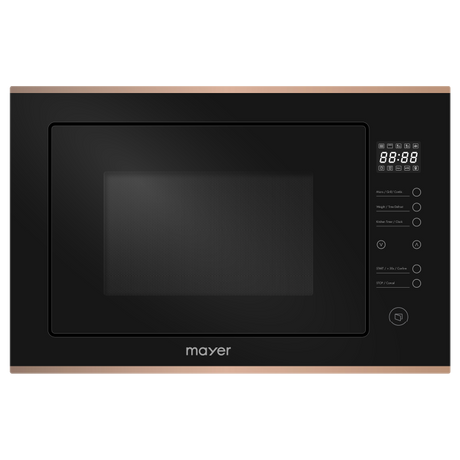
Microwave Ovens for Everyday Cooking Convenience
A microwave oven is an essential appliance in many homes, offering a fast and efficient way to prepare, reheat, and cook food. Modern designs go beyond basic heating, providing improved temperature control and even cooking results that suit daily meal preparation. Whether used for simple tasks or more involved recipes, microwave ovens help streamline kitchen routines without compromising food quality.
In Singapore households, where kitchen space is often optimised for functionality, a well-designed kitchen microwave delivers both practicality and versatility. These appliances support a wide range of cooking needs, from defrosting and reheating to baking and grilling, making them a valuable addition to any modern kitchen setup.
Built-In Microwave Oven Options for Modern Kitchens
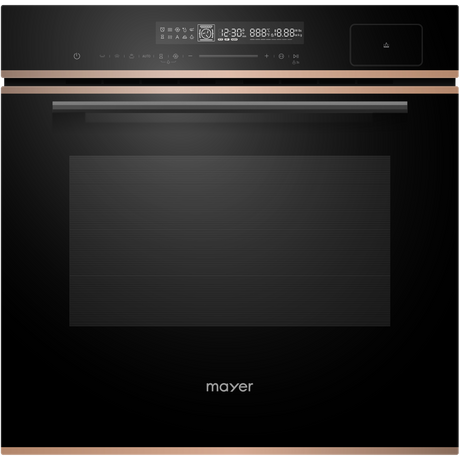
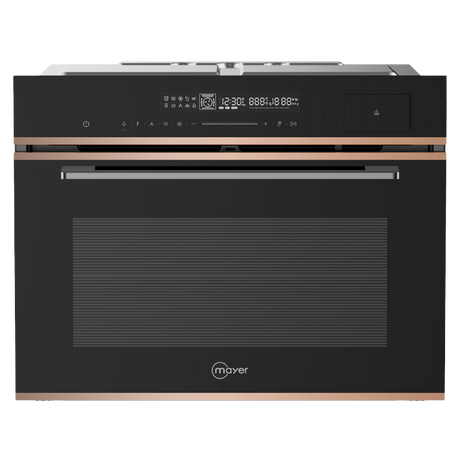
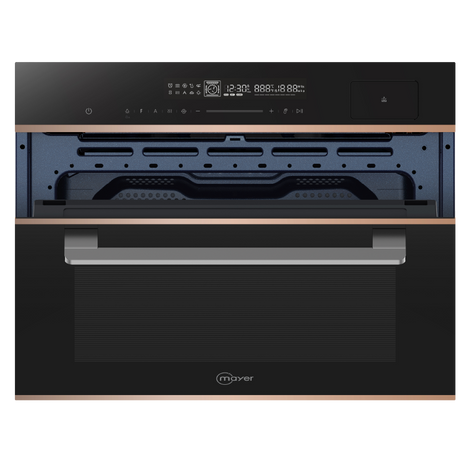
This collection of microwave ovens for Singapore homes includes different configurations to suit varying cooking preferences and kitchen designs. Options range from conventional microwave ovens for straightforward everyday use to more advanced models such as microwave steam ovens that support healthier cooking methods. For added flexibility, combination oven and microwave units allow users to enjoy multiple cooking functions within a single built-in appliance.
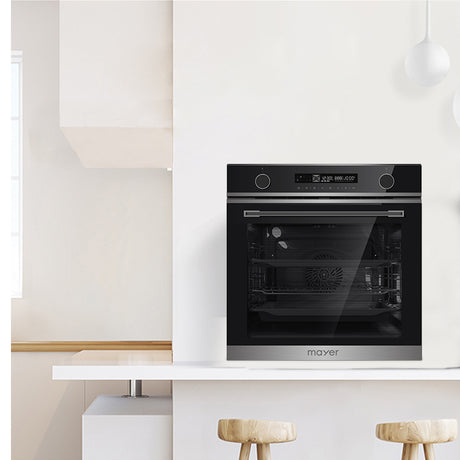
Designed to integrate seamlessly into cabinetry, built-in microwave ovens help maintain a clean and cohesive kitchen aesthetic. With various capacities, control options, and cooking functions available, these microwave ovens are suitable for both compact kitchens and larger household setups. Browse the range to find a microwave oven that complements your kitchen layout while supporting efficient, everyday cooking.
Built-In Microwave Oven Buyer's Guide
1. Understand What "Built-In" Means for Your Kitchen
A built-in microwave oven is designed to be recessed into cabinetry rather than placed on a countertop. This gives the kitchen a cleaner, more integrated look and frees up worktop space, which is particularly valuable in compact Singapore HDB kitchens. Installation typically requires a dedicated cabinet cavity that matches the appliance's specified dimensions, so it is worth confirming these measurements against your cabinetry before purchase.
Built-in models are generally not interchangeable with standard countertop units. They require adequate ventilation clearances within the cabinet and are usually hardwired or positioned near a dedicated power point. If you are planning a new kitchen renovation, this is the stage to decide on placement.
2. Know the Appliance Types in This Category
This collection covers three distinct built-in appliance types. Understanding the difference helps narrow down the right option:
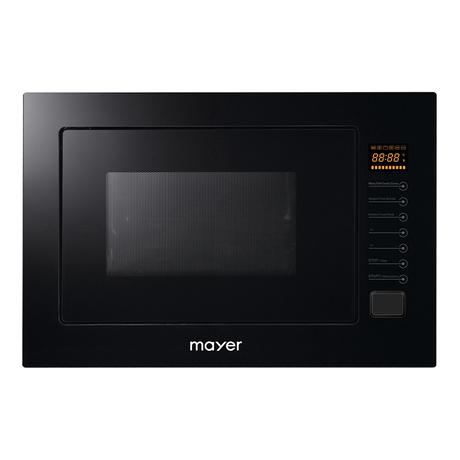
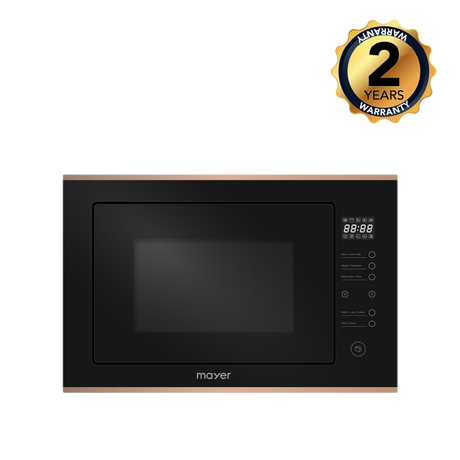
Built-in microwave oven with grill: Combines standard microwave heating with a grill element. Suitable for reheating, defrosting, and light grilling tasks such as browning the surface of gratins or melting cheese. A practical all-rounder for everyday use.
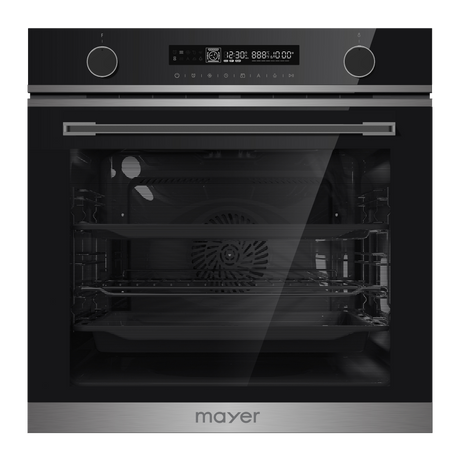
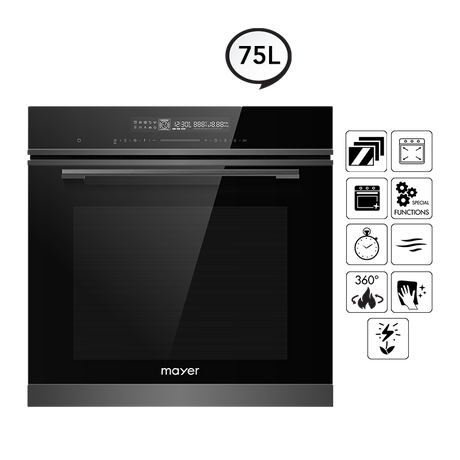
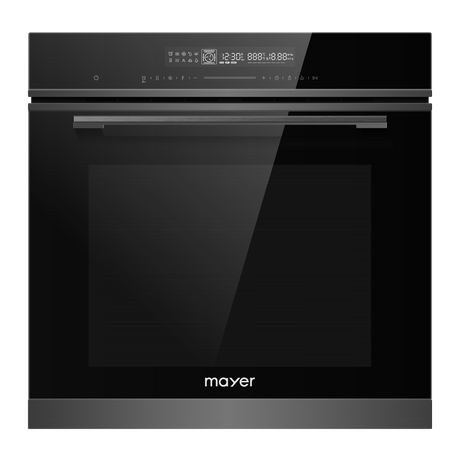
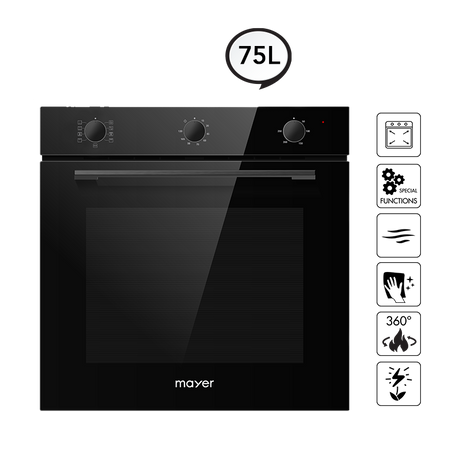
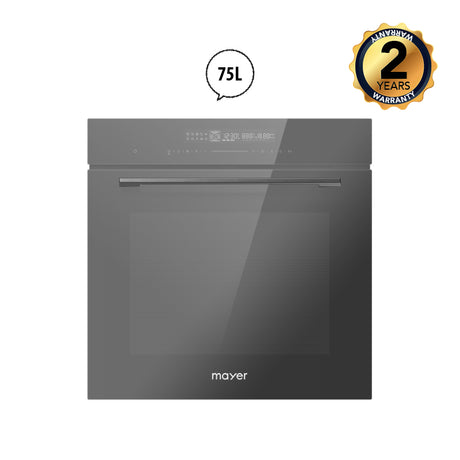
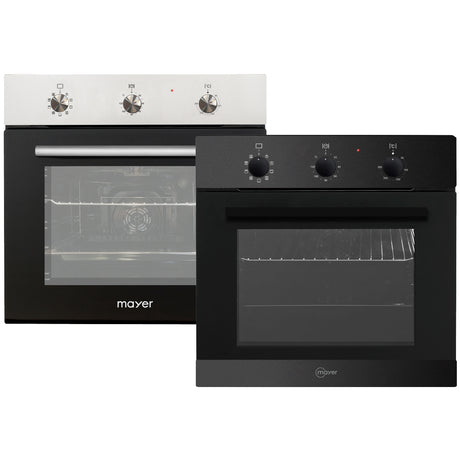
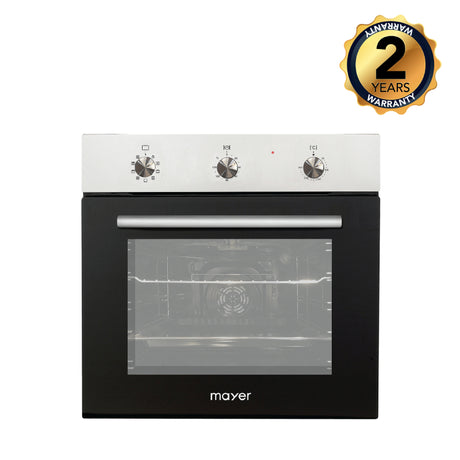
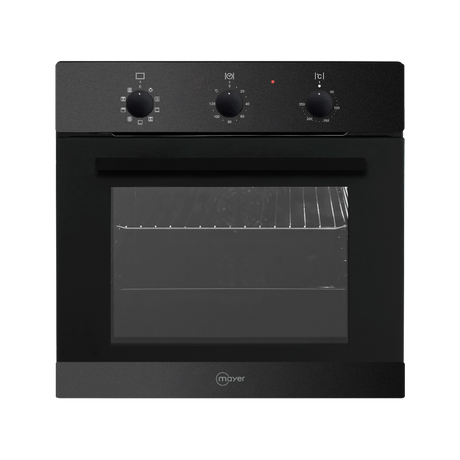
Built-in electric oven: A conventional oven with baking, roasting, and grilling functions using dry heat. Not a microwave. Suitable for households that bake regularly or prepare roasted dishes. Larger capacity models (60 cm, 75L) support family-sized cooking.
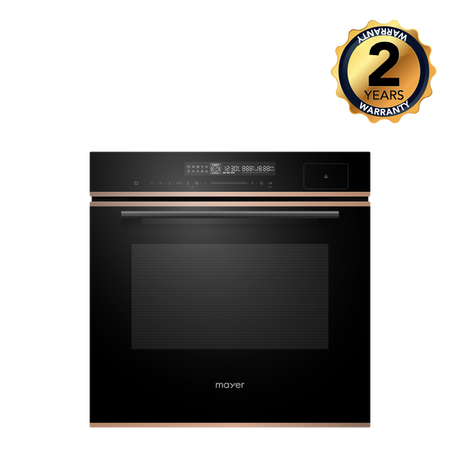
Built-in combi steam oven: Combines conventional oven heat with steam injection. Supports healthier cooking by retaining moisture and nutrients in food. Well-suited for households that cook fish, vegetables, and proteins regularly and want more versatility than a standard oven.
3. Conventional Microwave Oven vs. Grill and Combi Functions: Which Do You Actually Need?
This is where many buyers get stuck. A conventional microwave oven handles the tasks most households actually need day to day: reheating leftovers, defrosting meat, warming beverages, and softening ingredients. If these are your primary use cases, a built-in microwave with grill covers you well and at a more accessible price point.
Grill function adds the ability to brown and crisp the surface of food, useful if you want melted, slightly crisped toppings without firing up the full oven. It does not replace a dedicated oven for baking.
Combi steam is the most versatile option but also the most involved to use well. If your household cooks a wide variety of dishes and you want one appliance to handle steaming, baking, and roasting, a combi steam oven is worth the investment.
4. Capacity and Cavity Size
Built-in microwave ovens in this collection are sized at 25L. The built-in ovens range from 50L to 75L. Match capacity to your household size and typical batch size when cooking:
- 1 to 2 person household: 25L microwave or 50L oven is generally sufficient
- 3 to 4 person household: 60 to 75L built-in oven supports larger roasts and baking trays
- Families who batch cook or entertain regularly: 75L with fan-assisted or catalytic functions offers the most flexibility
For the cabinet cavity, always check the product's specified cutout dimensions and confirm these with your carpenter or contractor before ordering.
5. Oven Cleaning System
Built-in ovens accumulate grease over time and the cleaning method affects how much maintenance is involved:
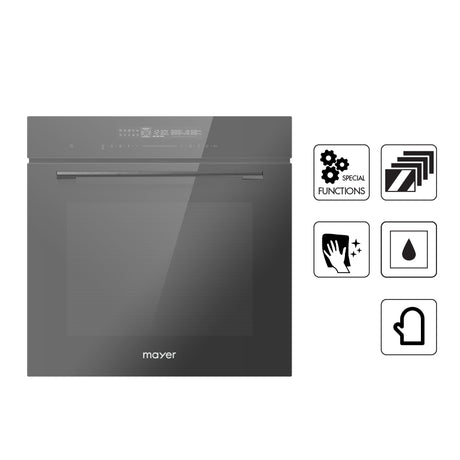
Catalytic cleaning: The oven interior is coated with a porous enamel that absorbs and burns off grease at high temperatures. Run the oven at maximum heat for a set period and the residue breaks down. Low effort and no additional products needed.
Pyrolytic cleaning: The oven heats to a very high temperature (around 500°C) that incinerates all residue, leaving only a small amount of ash to wipe away. The most thorough self-cleaning method. Not all built-in ovens include this function, so check the specification if this matters to you.
Manual cleaning: Standard enamel or stainless steel interiors that need to be cleaned by hand. Effective but more time-consuming.
6. Installation and Ventilation Considerations
Built-in appliances generate heat during operation and require adequate ventilation within the cabinet cavity. Models with a cavity cooling system actively circulate air to keep the surrounding cabinetry at a safer temperature, which is particularly relevant for Singapore's warm ambient conditions. Check whether the model you are considering includes this feature if your cabinet configuration has limited airflow.
For built-in ovens, a smoke ventilation system on certain models allows cooking odours and light smoke to be managed without relying entirely on a cooker hood. This can be useful if your kitchen layout means the oven is not directly below an exhaust hood.
Frequently Asked Questions
What is the difference between a built-in microwave oven and a countertop microwave?
A built-in microwave oven is designed to be installed inside a cabinet niche, flush with the surrounding cabinetry. A countertop model sits on a worktop or shelf and does not require cabinet integration. Built-in models are generally preferred in renovated kitchens where a clean, integrated aesthetic is a priority and countertop space is limited.
Is a conventional microwave oven the same as a microwave with grill?
No. A conventional microwave oven uses microwave energy to heat food and does not include a grill element. A microwave with grill adds a heating element that browns or crisps the surface of food. If your needs are primarily reheating, defrosting, and basic cooking, a conventional microwave oven is sufficient. If you want the ability to brown gratins, crisp toppings, or lightly grill food, a microwave with grill gives you that additional function.
Can I use a conventional microwave oven for baking?
A conventional microwave oven is not designed for baking. It heats food using microwave energy, which does not produce the dry, radiant heat needed for baked goods to rise and brown properly. For baking, you would need a built-in electric oven or a combi steam oven. If you want a single built-in appliance that handles both microwave functions and baking, a combi model is the more versatile choice.
What capacity built-in microwave oven do I need?
The built-in microwave ovens in this collection are 25L, which is suitable for most Singapore household sizes. At 25L, the interior cavity accommodates standard plates, bowls, and mid-sized dishes comfortably. For larger families who regularly heat full meals or cook using the microwave's grill function, confirm the interior dimensions match the cookware you use most often.
Do I need a carpenter to install a built-in microwave oven?
In most cases, yes. A built-in microwave oven requires a cabinet cavity cut to the appliance's specified dimensions. If you are purchasing as part of a new kitchen renovation, coordinate with your carpenter or ID to plan the niche dimensions in advance. If you are replacing an existing built-in unit, check that the new model's cutout dimensions are compatible with your current cabinet opening before ordering.
What is the difference between a conventional microwave oven and a combi steam oven?
A conventional microwave oven uses microwave energy to heat food quickly. A combi steam oven combines dry oven heat with steam injection, which retains moisture and nutrients in food during cooking. The combi steam oven is more versatile but also more expensive and better suited to households that cook a wide variety of dishes. For straightforward reheating and defrosting, a conventional microwave oven is the more practical and cost-efficient option.
Are Mayer built-in ovens and microwave ovens covered by warranty?
Yes. Products purchased directly from the Mayer eStore are automatically registered for warranty. For purchases made elsewhere, warranty can be registered manually via the Mayer warranty registration page. Full terms, including coverage periods, are outlined in the Warranty, Return, and Exchange Policy.
Does Mayer offer free delivery for built-in appliances?
Free delivery is available on eStore purchases. For built-in appliances, delivery and removal terms are confirmed at checkout. If you require installation, coordinate with your contractor or carpenter separately, as installation is not included in standard delivery.